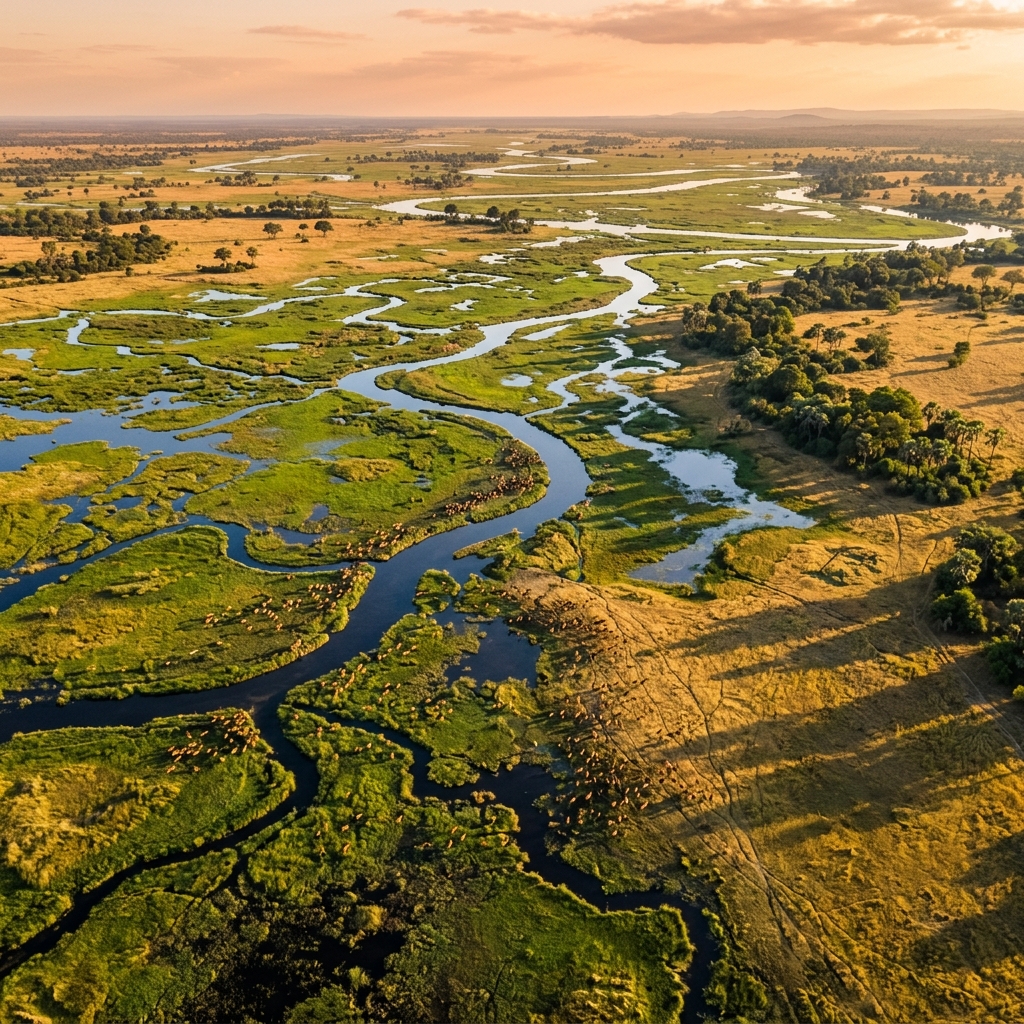
Africa's Secret Giant
"There is a place in the heart of Africa where the wild still runs unchecked — where lions roam floodplains stretching to the horizon, where elephants cross the same ancient paths they have walked for centuries, and where the night sky blazes with a thousand stars. That place is Kafue."
Kafue National Park is Zambia's oldest and largest national park, and one of the biggest protected wildlife sanctuaries on the entire planet. Covering 22,400 square kilometres of pristine river valleys, floodplains, and miombo woodlands, it is larger than the country of Wales and nearly double the size of Serengeti National Park.
Yet despite its staggering scale and biodiversity, Kafue receives only a fraction of the visitor traffic seen in East Africa. Here, you can follow a pride of lions across open floodplains for an entire morning without encountering another safari vehicle. That pure solitude is the ultimate luxury in modern wildlife travel.
Three Worlds, One Park
Most national parks offer a single dominant landscape. Kafue offers three distinct ecological realms — each with its own signature wildlife, seasonal rhythms, and safari style.
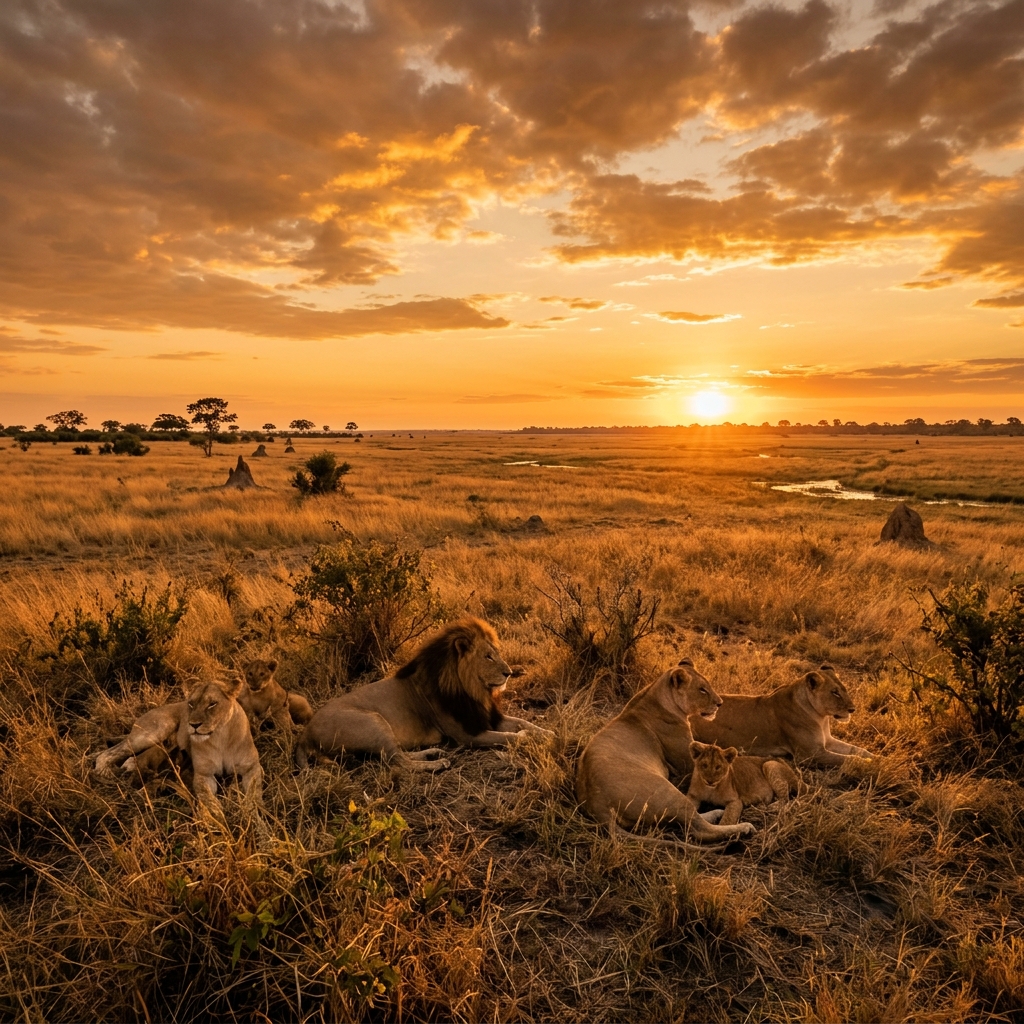
Busanga Plains
Africa's most cinematic seasonal floodplain. As annual floodwaters recede from June through October, hundreds of square kilometres transform into a vast sea of golden grass, shallow channels, and wildlife concentrations rivaling the Serengeti.
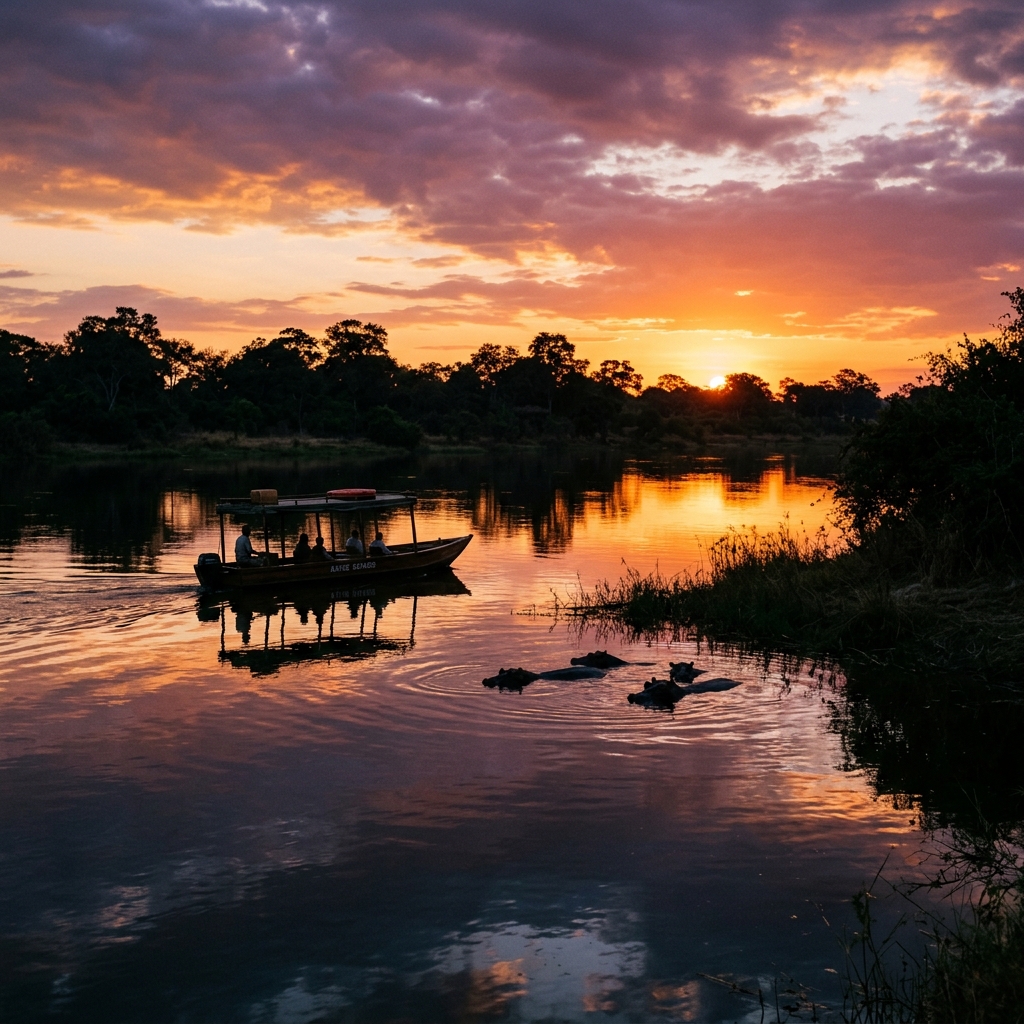
Kafue River Corridor
The perennial lifeblood of the entire ecosystem. Over 600 kilometres of lush riverbanks, dramatic rapids, and miombo woodlands that sustain colossal hippo pods, sunning crocodiles, and an unmatched diversity of birdlife.
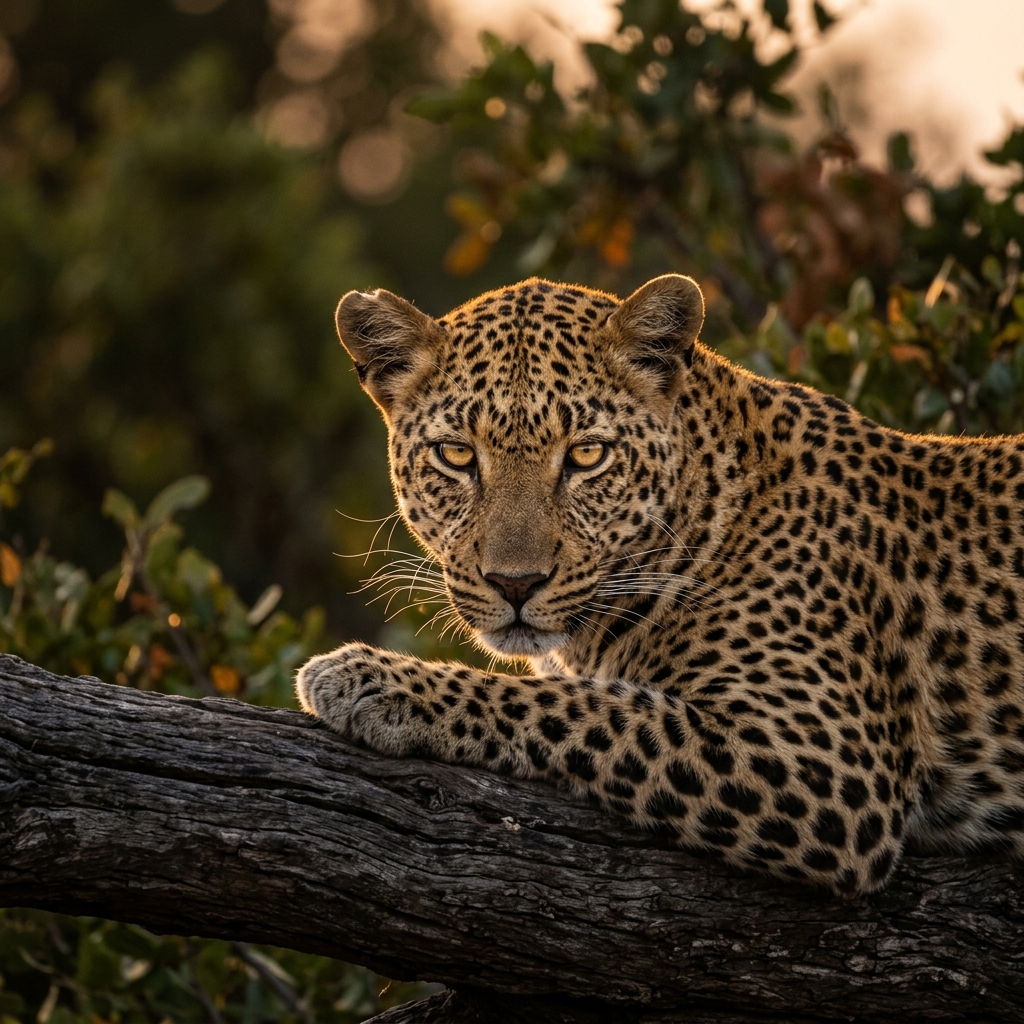
Southern Sector & Nanzhila
Known as "The Place of Predators." Centred on the expansive Nanzhila Plains and Lake Itezhi-Tezhi, the south provides extraordinary predator density, frequent wild dog sightings, and legendary nocturnal game drives.
A Wildlife Encyclopaedia
With 55+ mammal species and 500+ bird species, Kafue’s three distinct ecosystems nurture one of Africa’s richest biodiversity reservoirs. Click on any animal below for detailed field notes and sighting guidance.
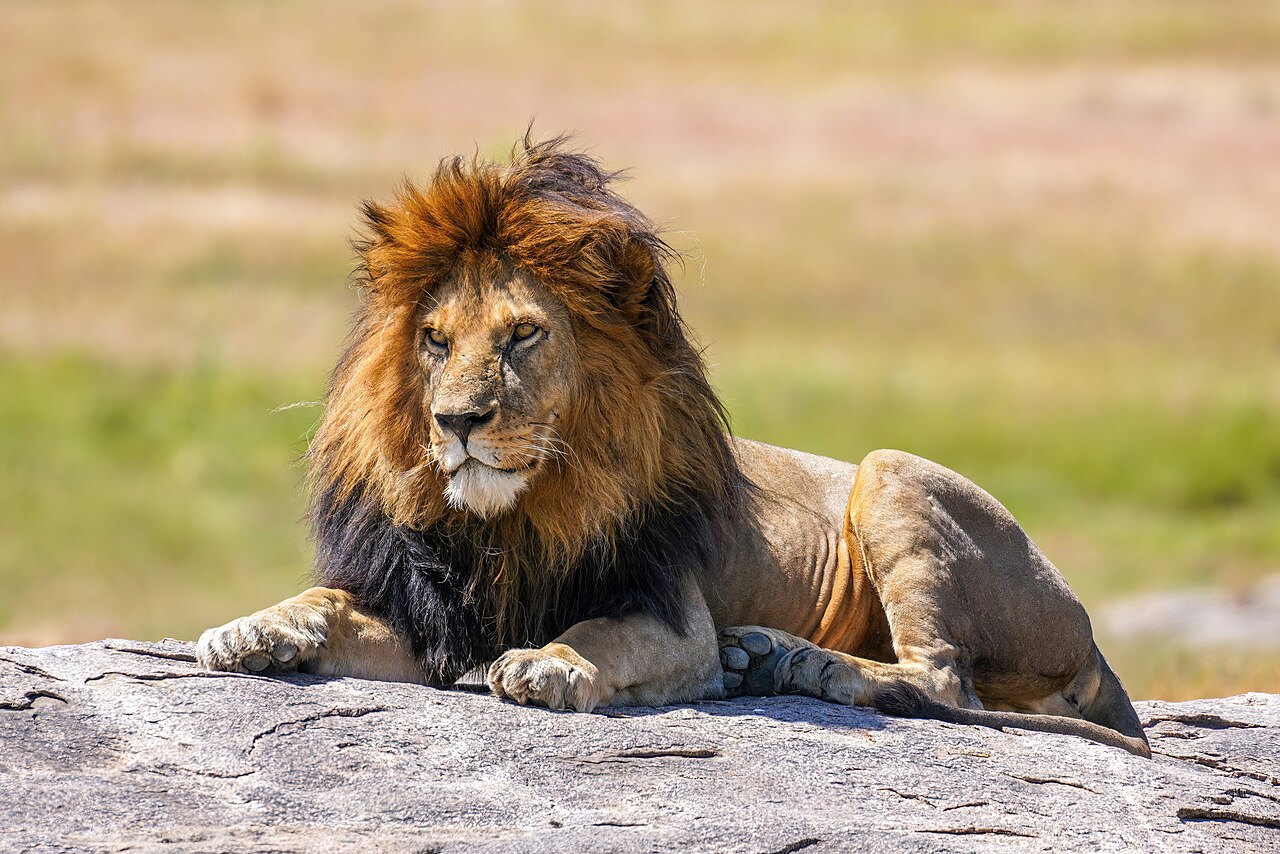 Vulnerable
African Lion
Famous for hunting red lechwe across shallow water channels and surveying the floodplains from giant termite mounds.
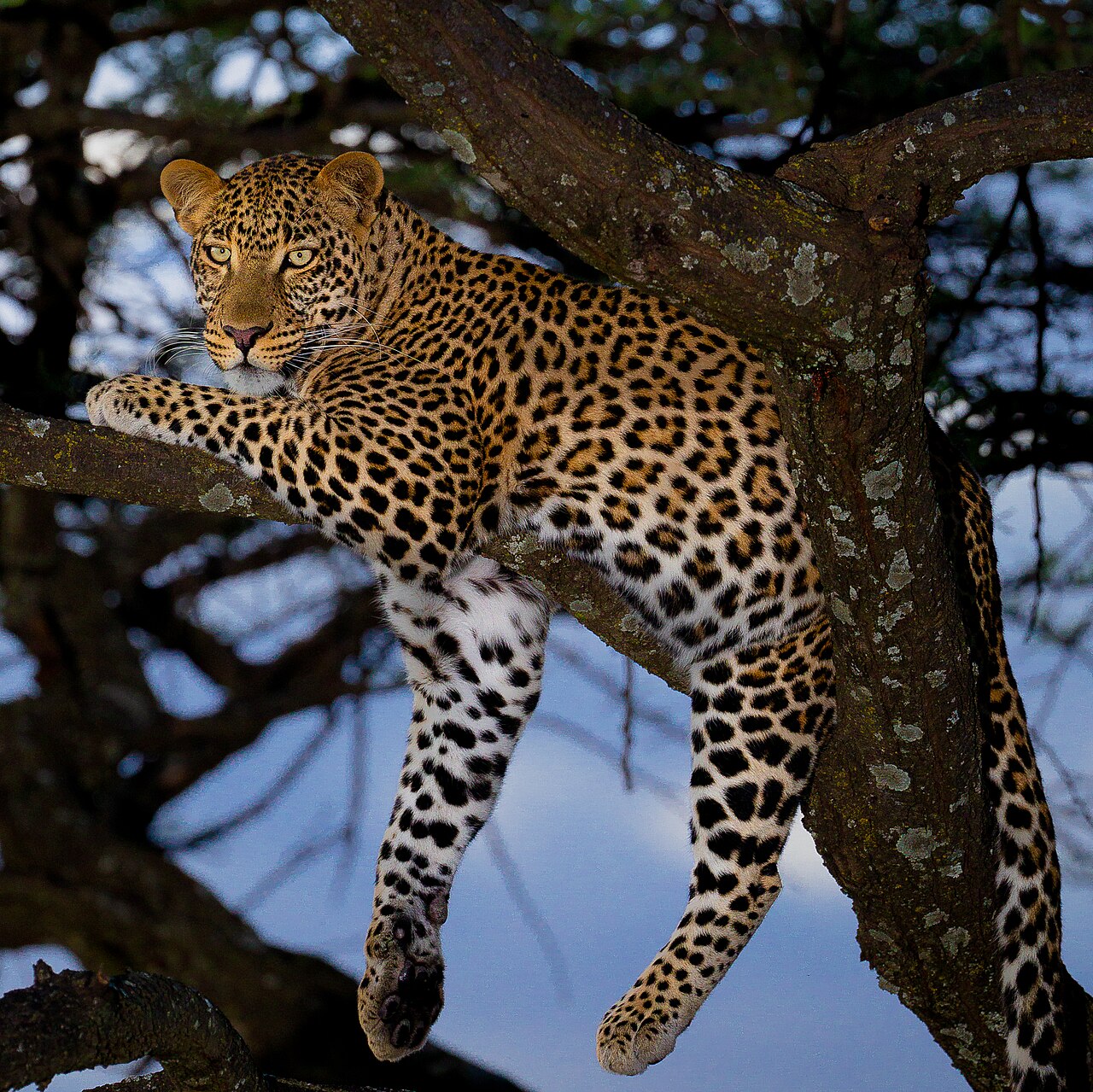 Vulnerable
Leopard
Supreme ambush predators draped across ebony and mahogany boughs along the river corridor and southern granite kopjes.
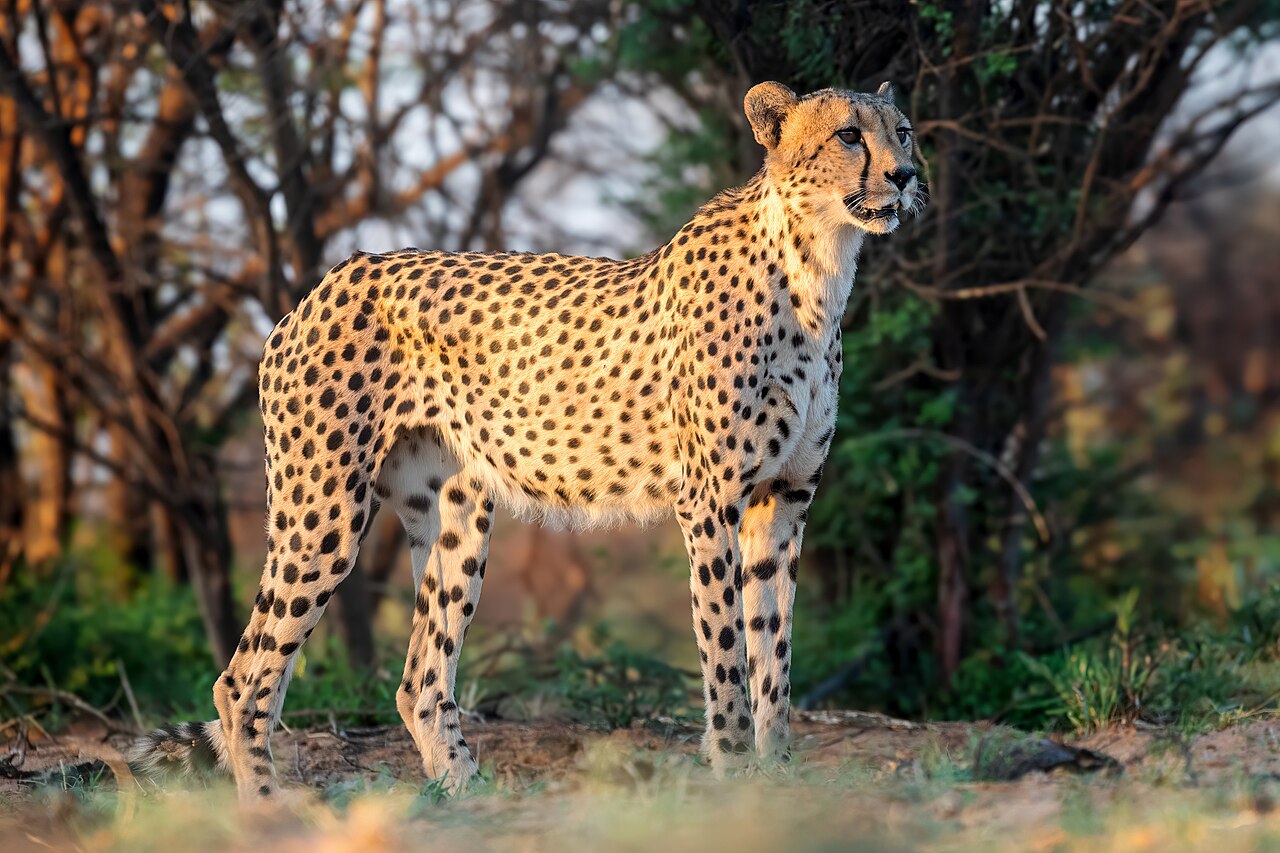 Vulnerable
Cheetah
The fastest land mammal, utilizing expansive open plains and termite mound vantage points to chase puku and oribi.
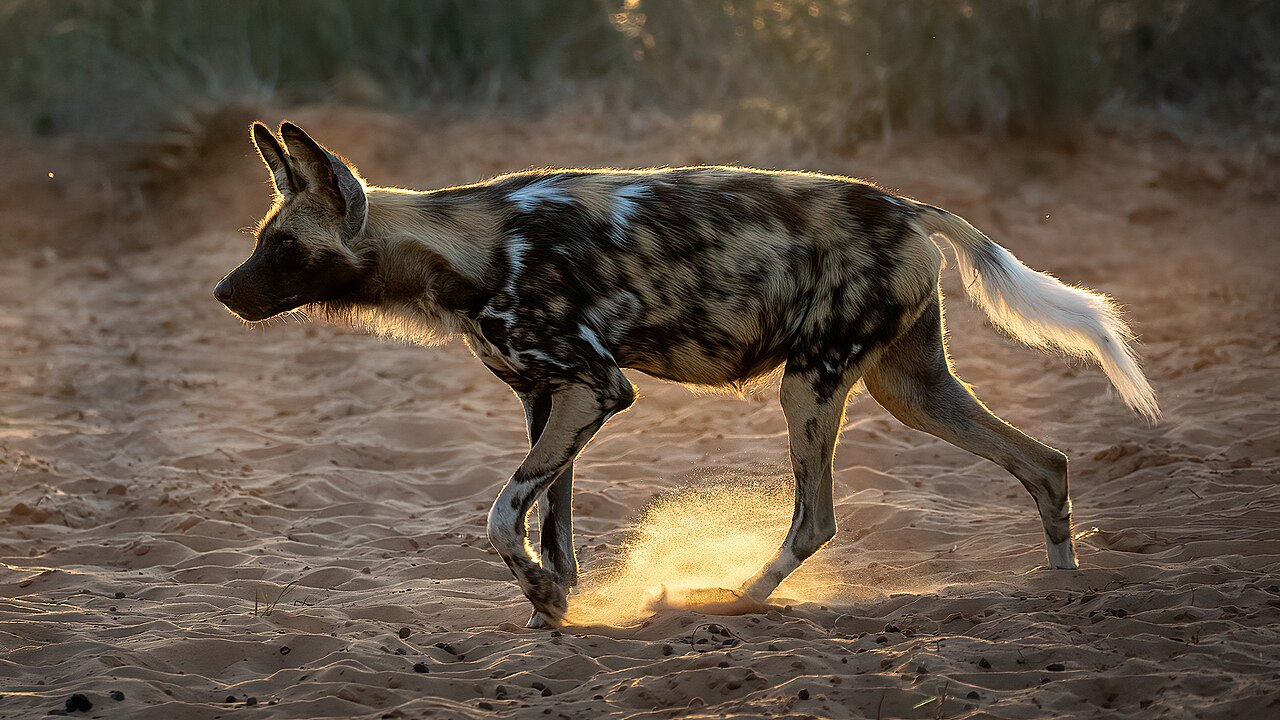 Endangered
African Wild Dog
One of Africa's rarest apex predators. Highly social packs that hunt with unmatched 80%+ tactical precision across southern dambos.
 Endangered
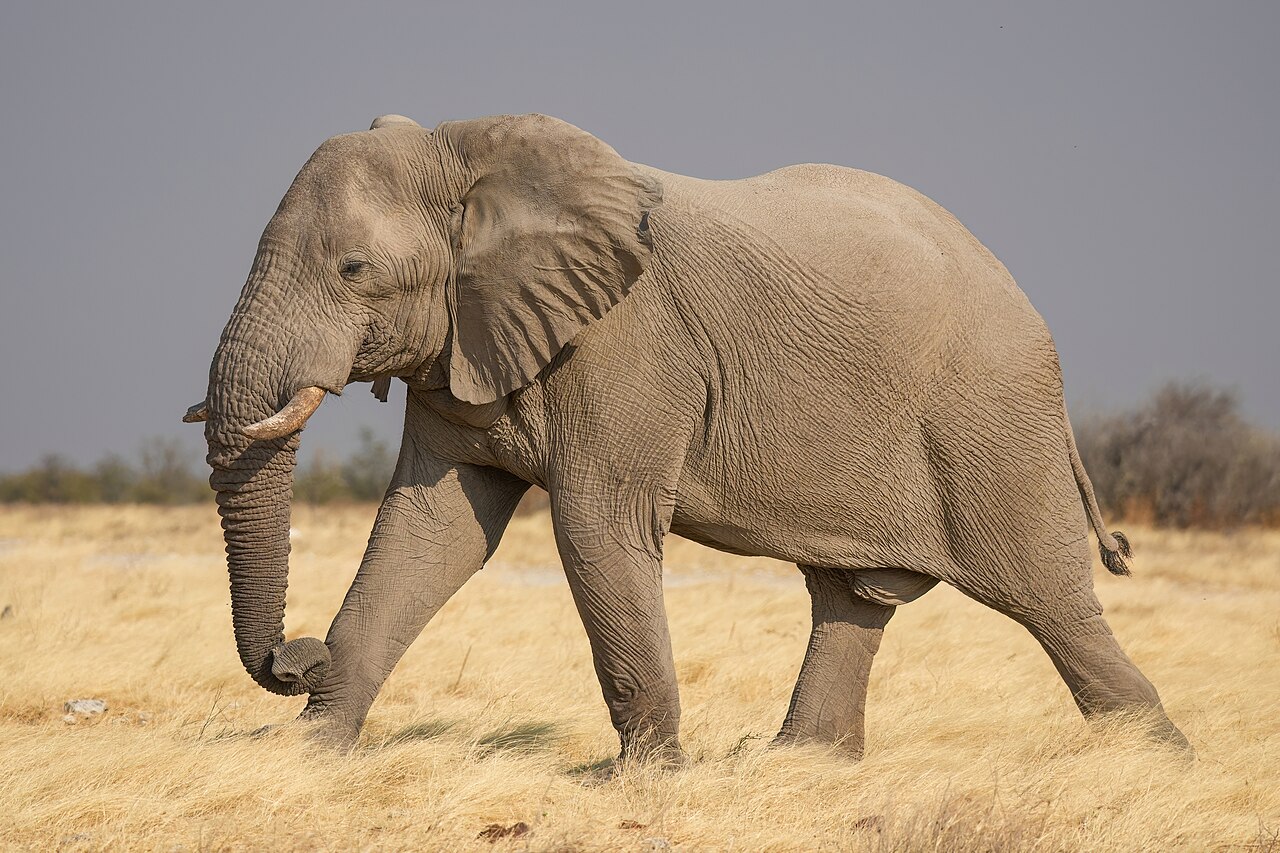
African Elephant
Ancient matriarchal herds traversing seasonal migration routes, swimming across deep river channels with trunks held as snorkels.
 Near Threatened
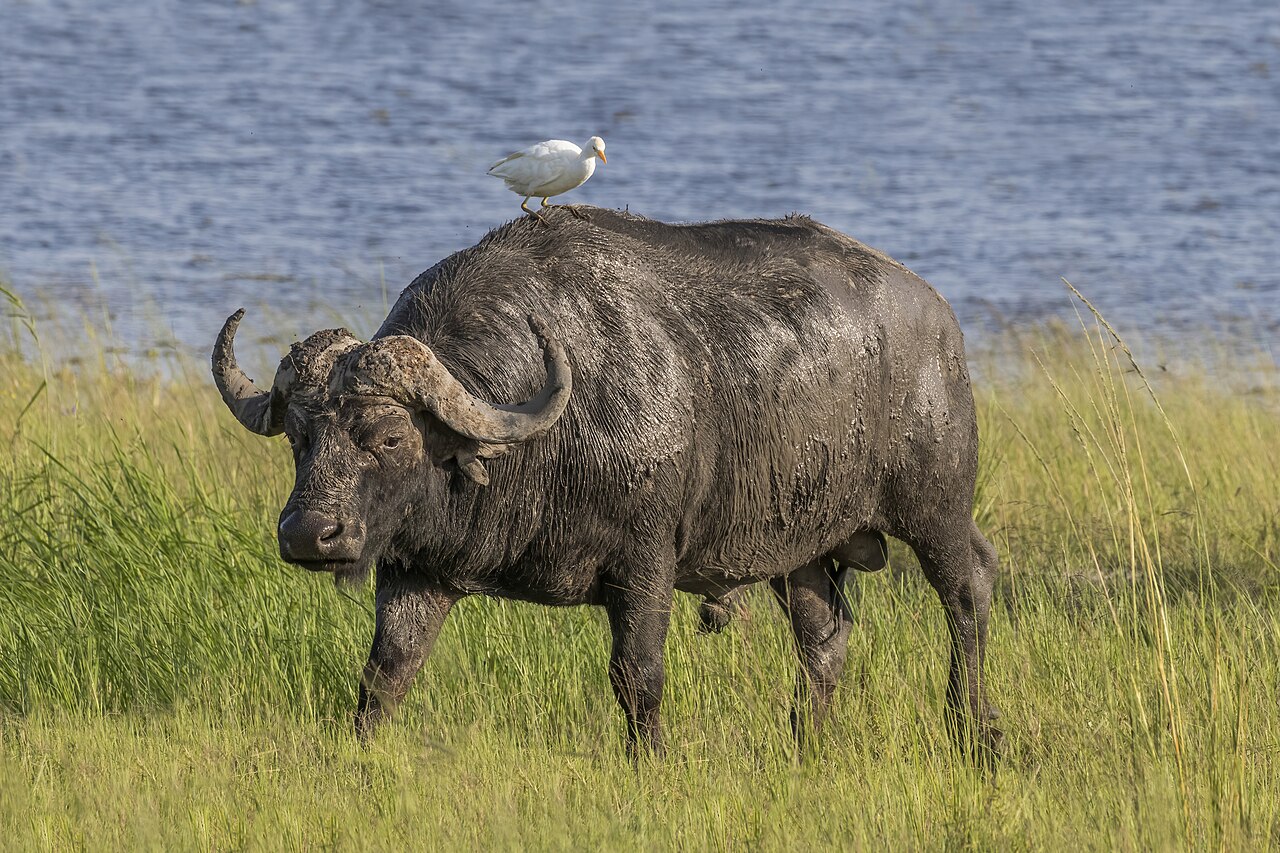
Cape Buffalo
Formidable bulk grazers gathering in massive herds across floodplains, providing high-stakes drama with resident lion prides.
 Vulnerable
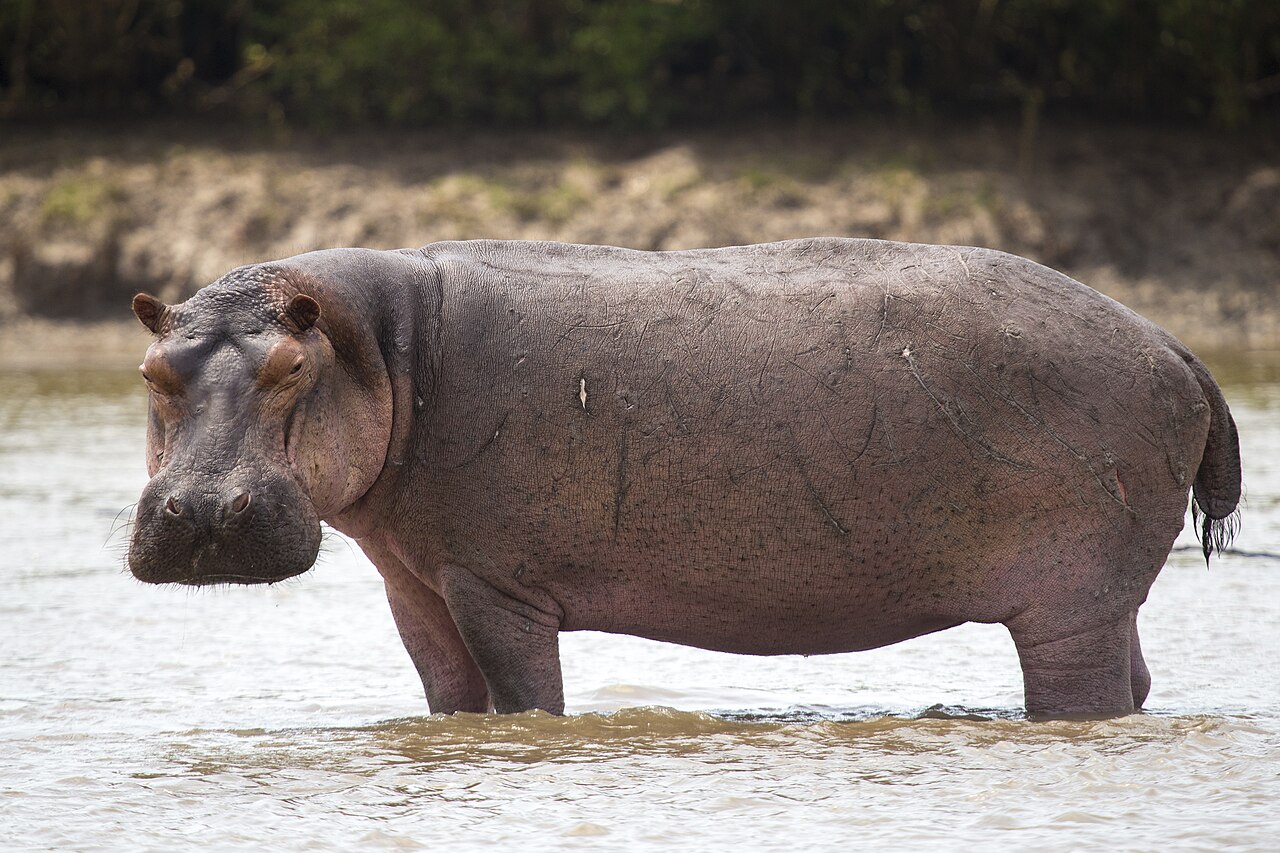
Hippopotamus
Dominant river residents congregating in vocal pods of up to 40 individuals in the deep channels and oxbow lagoons.
 Vulnerable
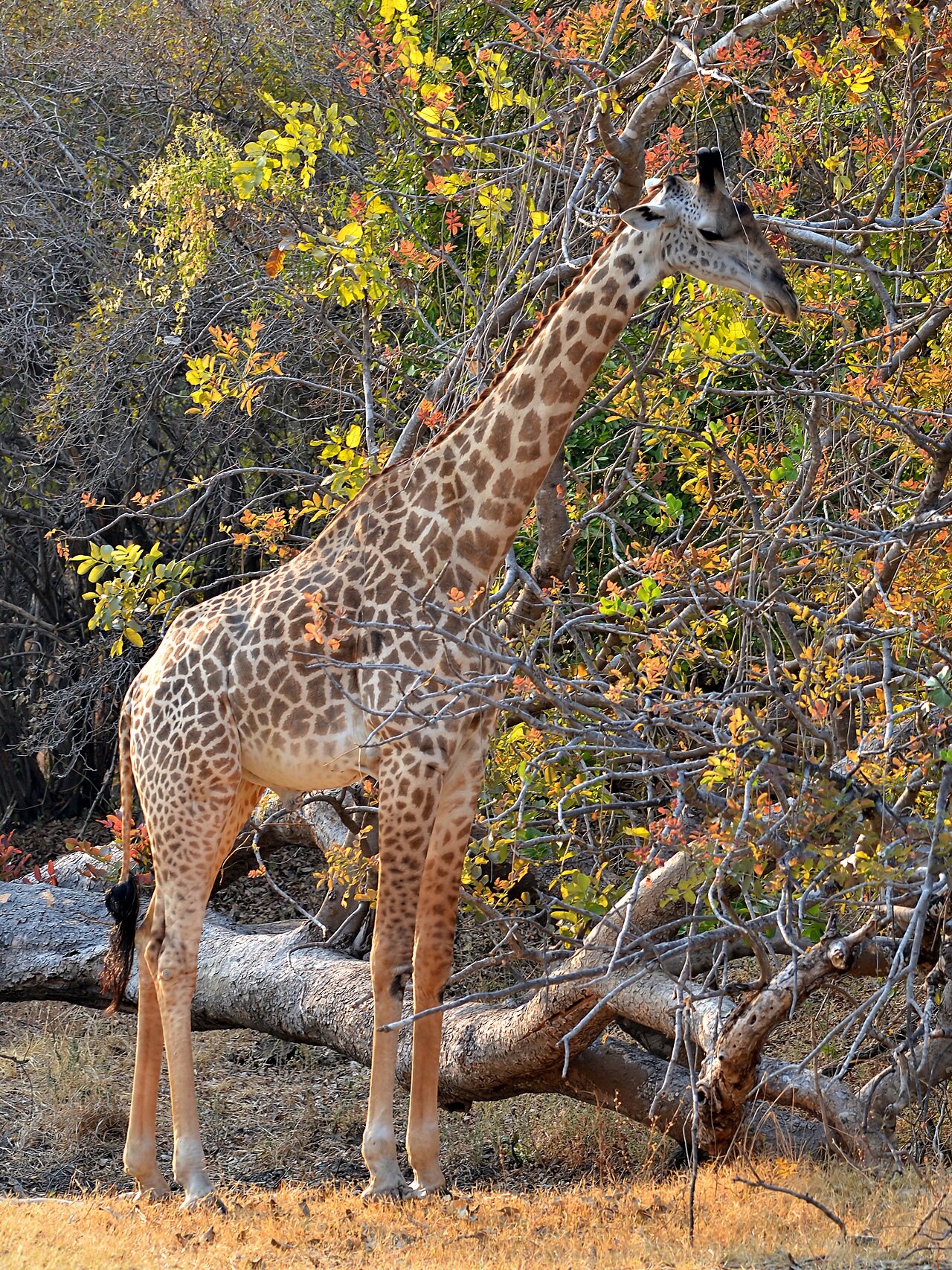
Thornicroft's Giraffe
Zambia’s distinctive giraffe, gracefully moving through open miombo canopy woodland with rich leaf-patterned coats.
 Near Threatened
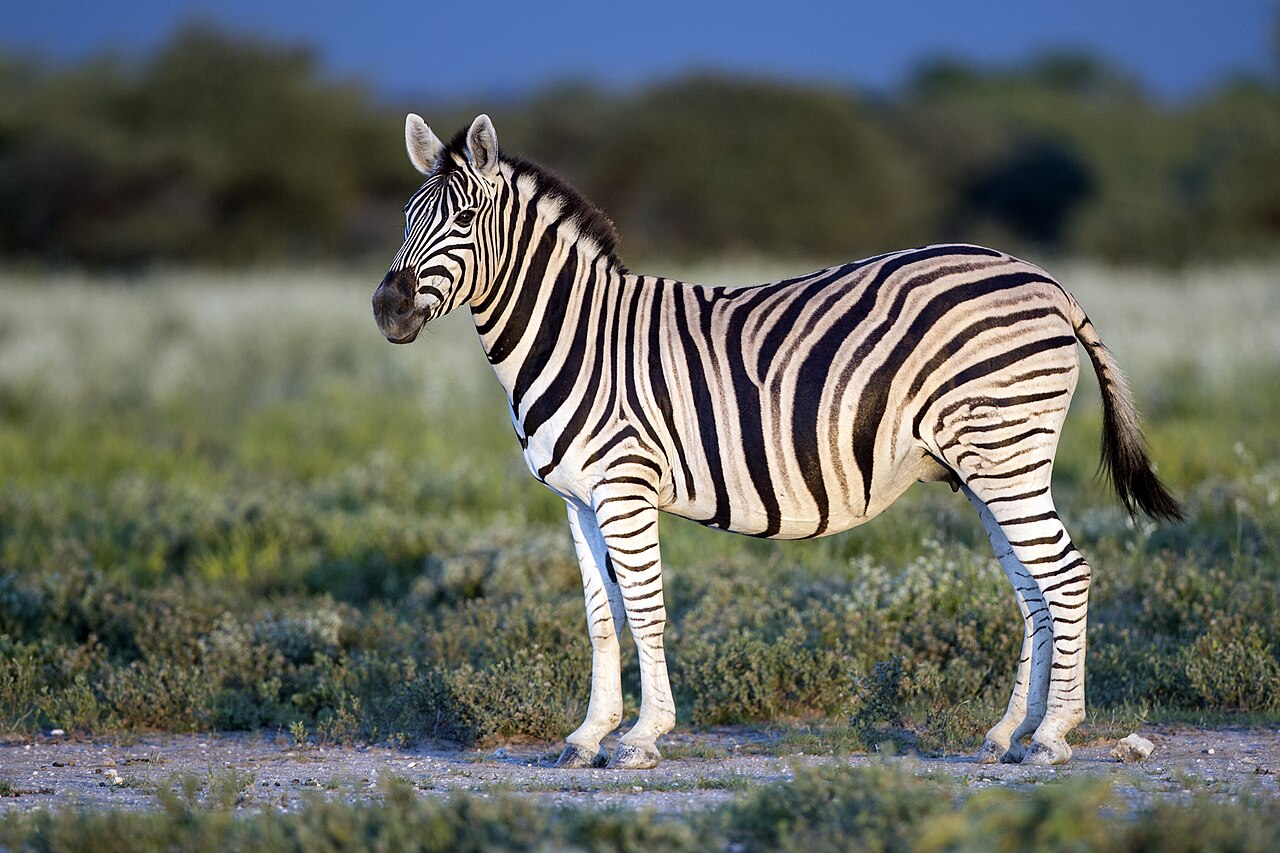
Plains Zebra
Dazzling herds grazing in unison on open floodplains, frequently associating with wildebeest for collective predator vigilance.
 Near Threatened
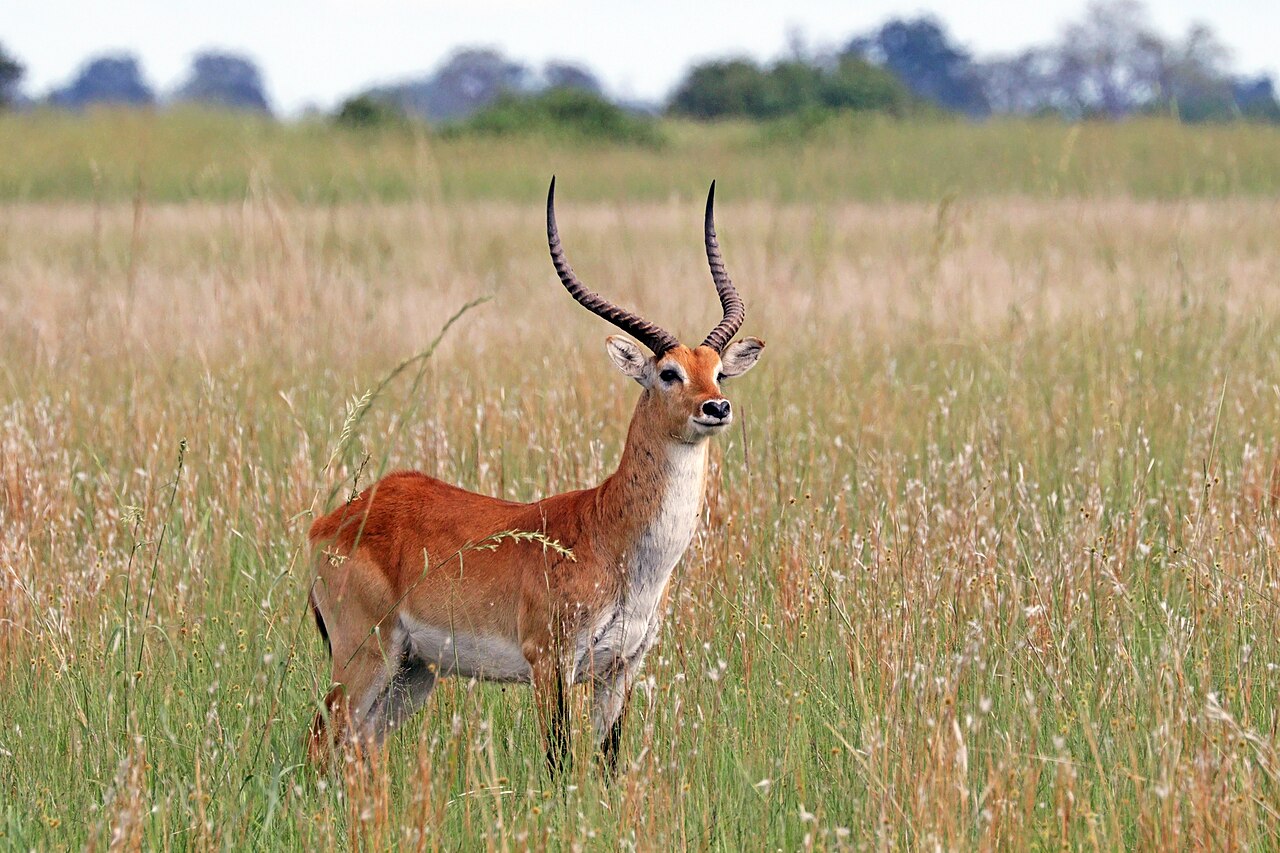
Red Lechwe
Kafue’s iconic water-adapted antelope. Thousands bound gracefully through floodplain swamps with specialized splayed hooves.
 Near Threatened
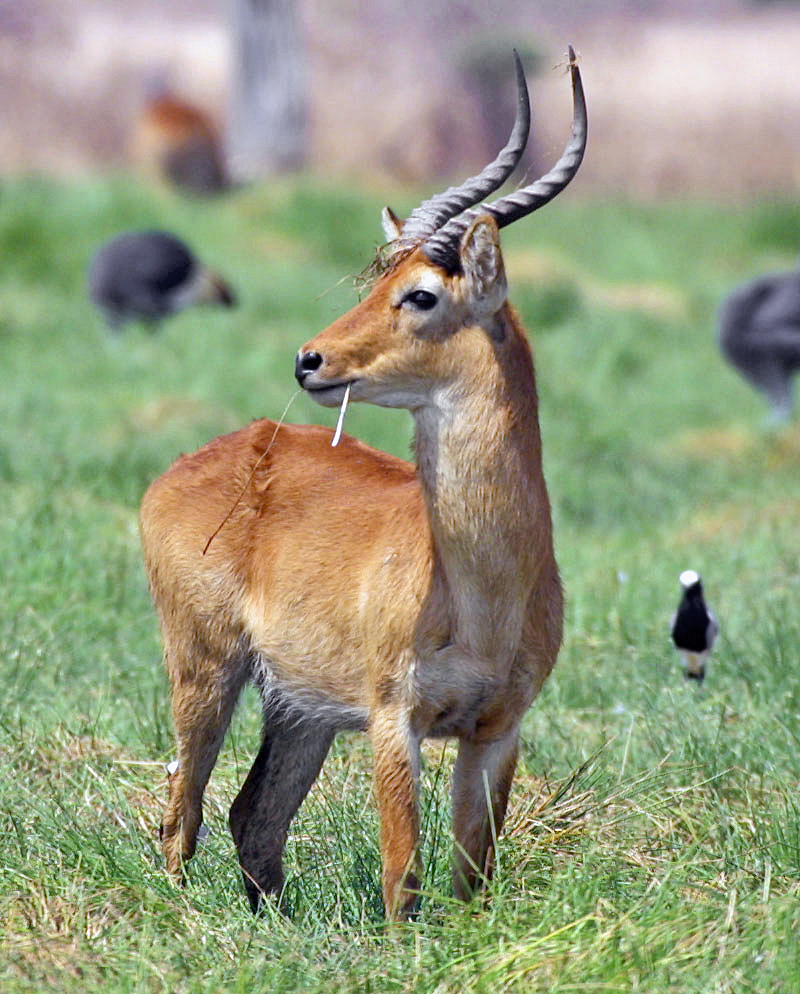
Puku
Golden-coated wetland antelope with lyre-shaped horns, grazing in lively territorial groups along the river edges.
 Least Concern
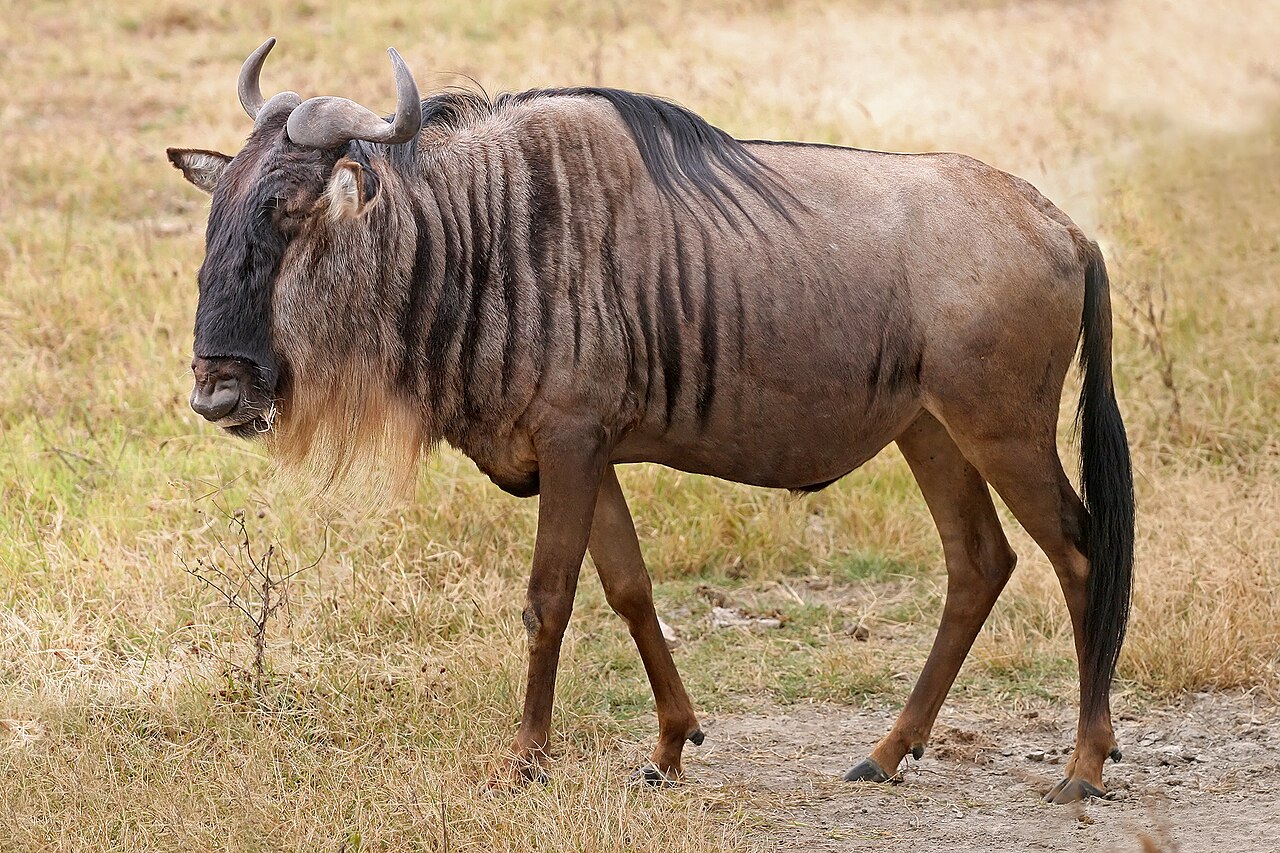
Blue Wildebeest
Sturdy bearded grazers found across the open expanses of the southern sector, keeping the short grasslands closely manicured.
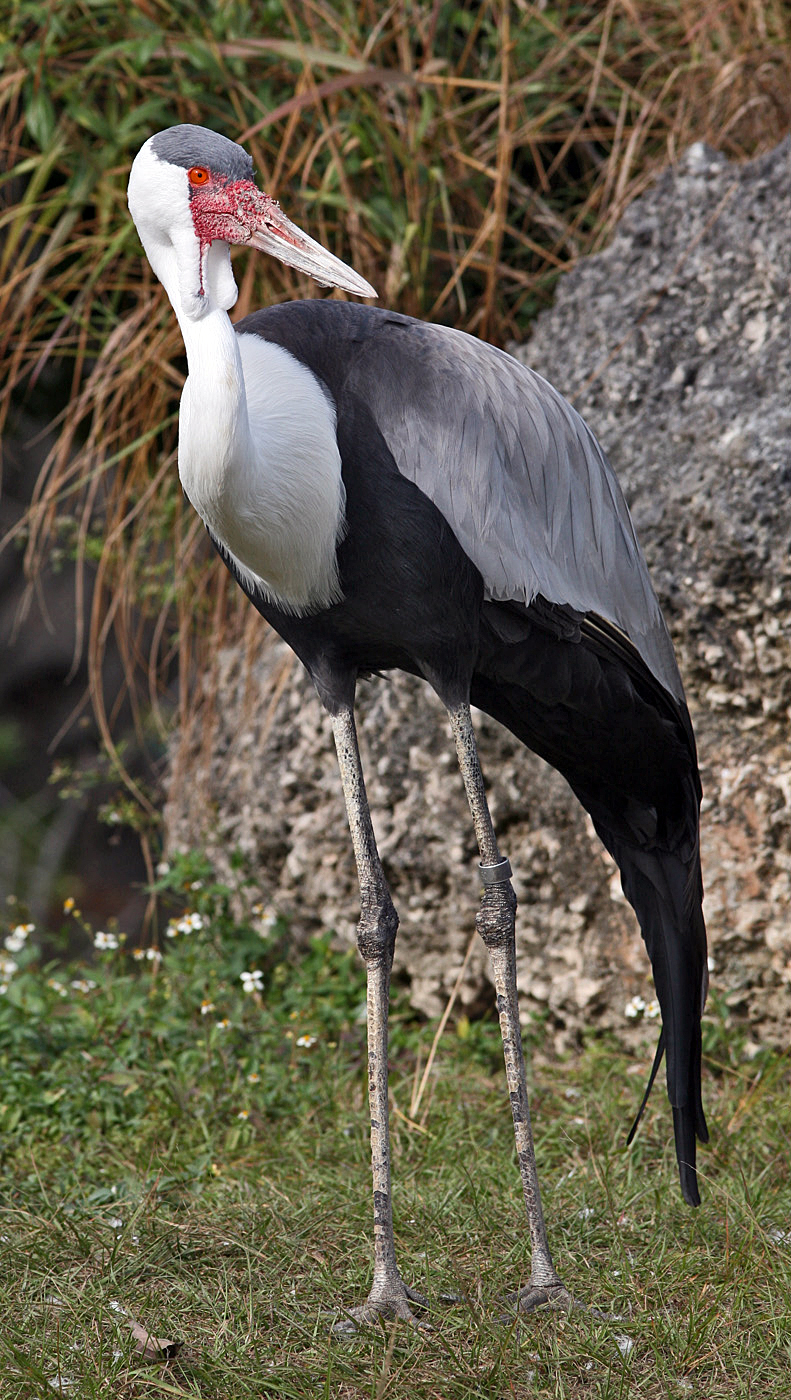 Vulnerable
Wattled Crane
Africa's largest crane species, standing nearly 1.8 metres tall. Kafue’s floodplains protect one of its most vital global breeding colonies.
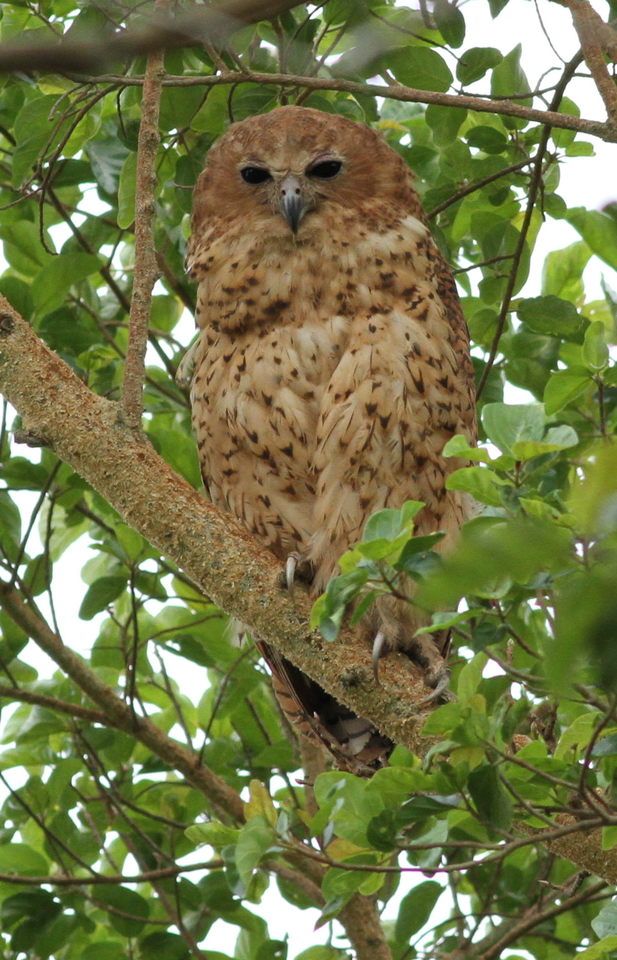 Birding Holy Grail
Pel's Fishing Owl
The ultimate prize for birders worldwide. A massive ginger raptor that hunts catfish by moonlight along slow-flowing river bends.
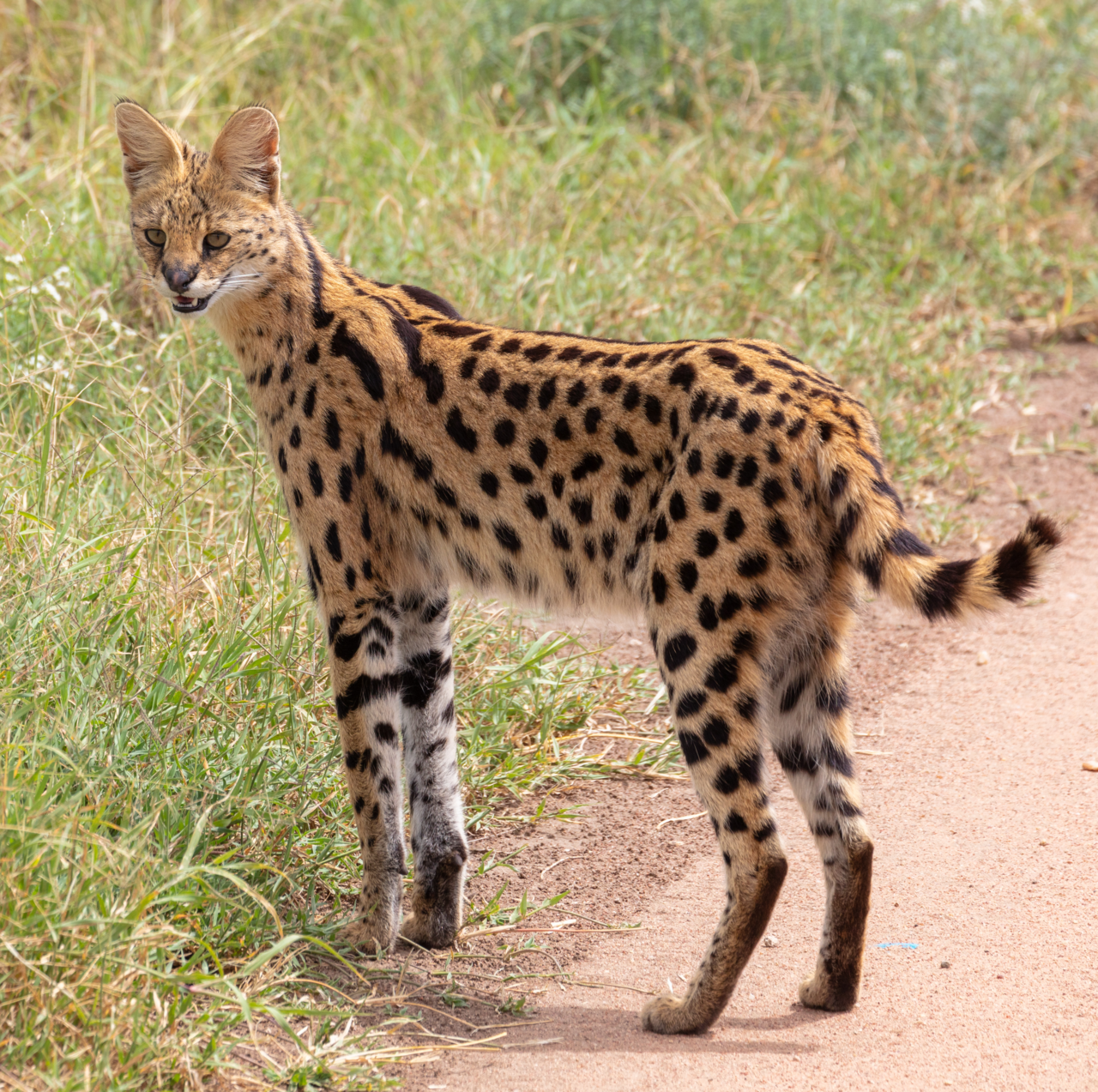 Nocturnal Icon
Serval Cat
Long-legged spotted wildcat famous for dramatic 3-metre aerial leaps into grass dambos during Kafue's renowned night drives.
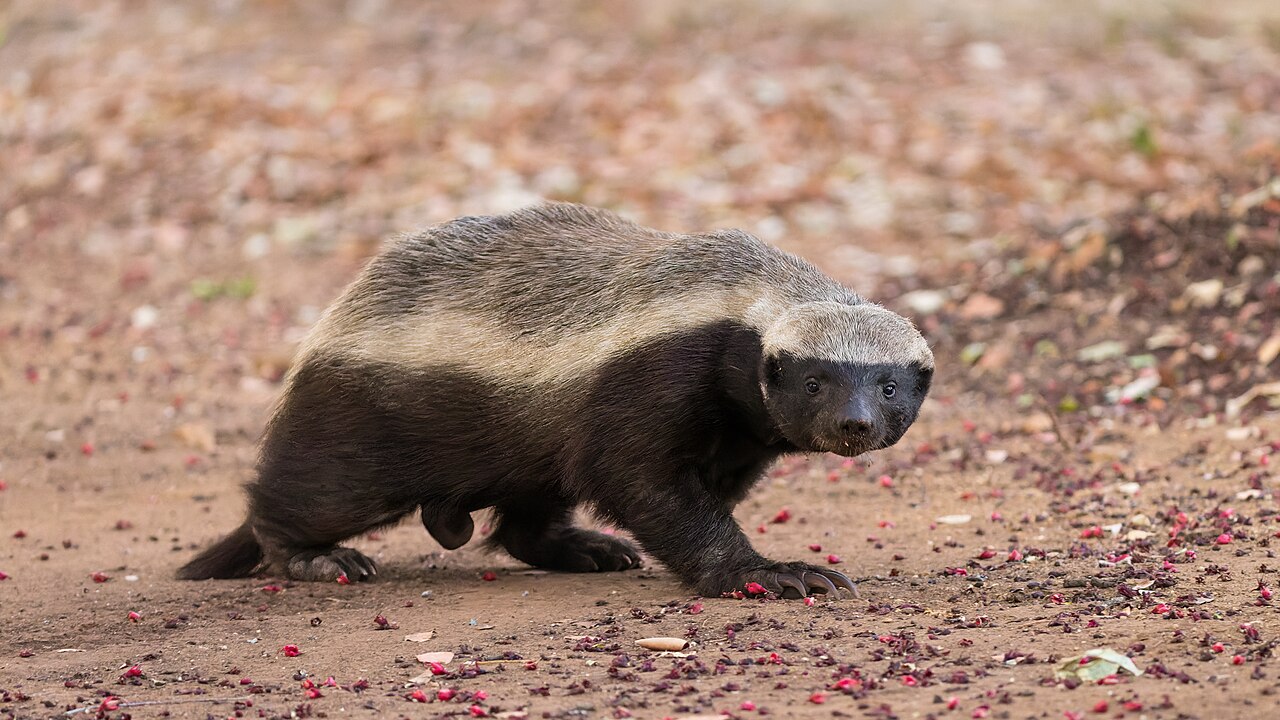 Fearless Night Icon
Honey Badger
Fabled for unmatched tenacity and resilience, regularly encountered trotting through woodlands and termite mounds after dark.
Seasons & Sighting Calendar
Kafue changes dramatically through the year. Select any month below to view temperature, water dynamics, and live sighting probabilities.
July in Kafue
Prime dry season. The Busanga Plains are in full glory with floodwaters receding into shallow channels. Lion prides congregate around water pools and lechwe herds. Days are sunny and crisp (25°C), while nights are cool (8°C).
Getting to Kafue
Kafue is readily accessible from Lusaka via charter flights or scenic road transfers. Select your entry route below:
Lusaka International → Busanga / Chunga Airstrips
The fastest and most breathtaking arrival. A 90-minute scenic flight crosses over endless virgin miombo forests before descending onto the sweeping floodplains of Busanga or the central Chunga airstrip.
Lusaka → Mumbwa Gate & Central Kafue
The primary overland route. Follow the paved M9 Great West Road from Lusaka through Mumbwa town directly to the Kafue National Park eastern entrance, followed by gravel park roads leading to river lodges.
Lusaka → Southern Sector & Lake Itezhi-Tezhi
Scenic route travelling south towards Namwala before turning into Lake Itezhi-Tezhi dam and the Nanzhila Plains. Offers stunning valley vistas and immediate immersion into predator country.
Livingstone / Victoria Falls → Southern Kafue
The ideal safari extension. Combine the wonder of Victoria Falls with the raw wildlife of Southern Kafue. Road transfers or private air charters link Livingstone directly to Nanzhila Plains.
The Heartbeat of the Wild
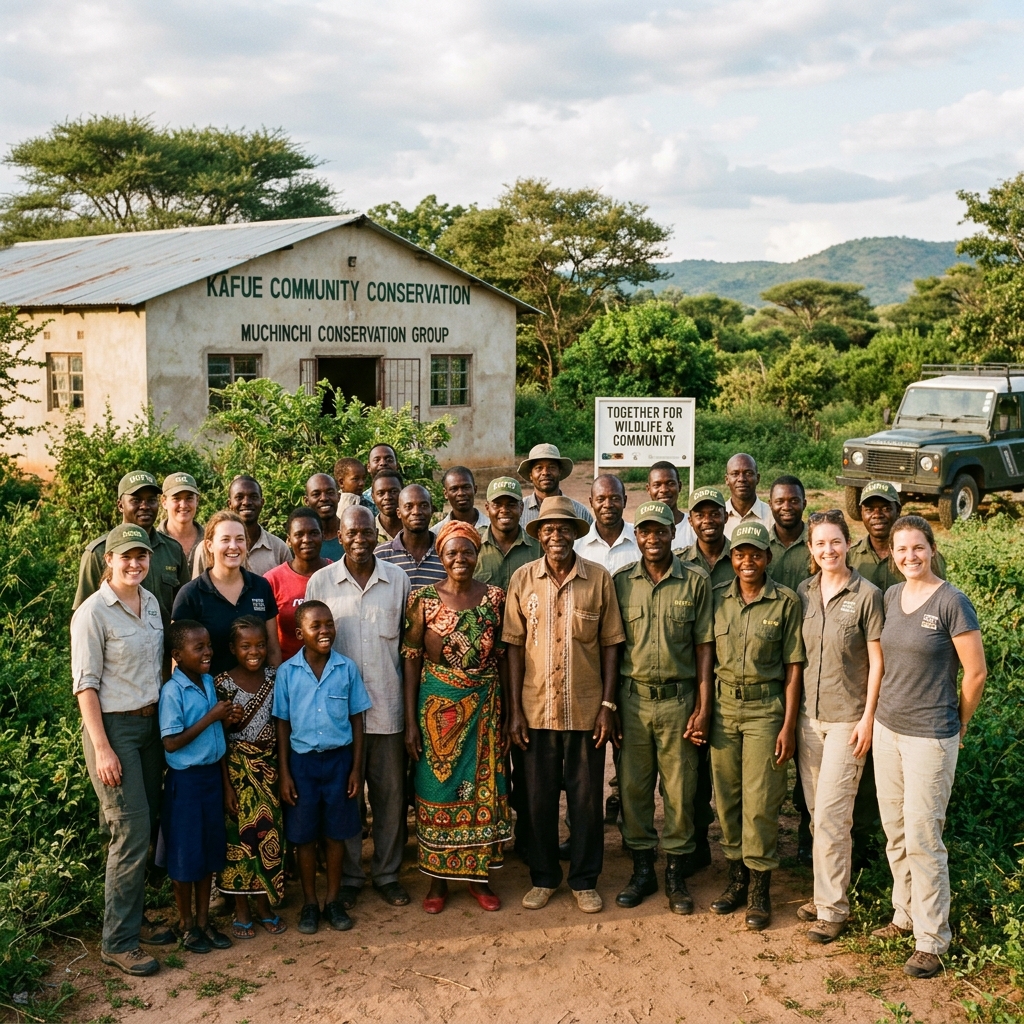
Kafue's conservation story is intimately tied to the people who have lived alongside this wilderness for centuries — the Ila, Kaonde, Lenje, and Tonga traditional communities.
In the Game Management Areas (GMAs) that buffer the national park, local communities steward the land while facing the everyday realities of wildlife coexistence. The Kafue Conservancy partners directly with Community Resource Boards (CRBs) to ensure safari revenue funds school classrooms, healthcare clinics, and community anti-poaching scouts.
Every booking made through our partner lodges directly supports these grassroots initiatives, proving that protecting wild Africa begins with empowering its people.
Why Choose Kafue?
Zero Crowds. Real Wilderness.
No vehicle scrums around sightings. Kafue preserves the rare intimacy of authentic African exploration.
Three Distinct Ecosystems.
From the flooded Busanga savannas to the perennial river channels and predator miombo woodlands.
Night Drives & Walking Safaris.
Unrestricted freedom to track wild dog packs on foot and explore the nocturnal realm of servals and honey badgers.
Measurable Community Impact.
Direct conservation dividends for the traditional chiefdoms and scouts protecting this ecosystem.
"Kafue is what the Serengeti was fifty years ago. Vast. Uncrowded. Unscripted. Come before the world catches up."